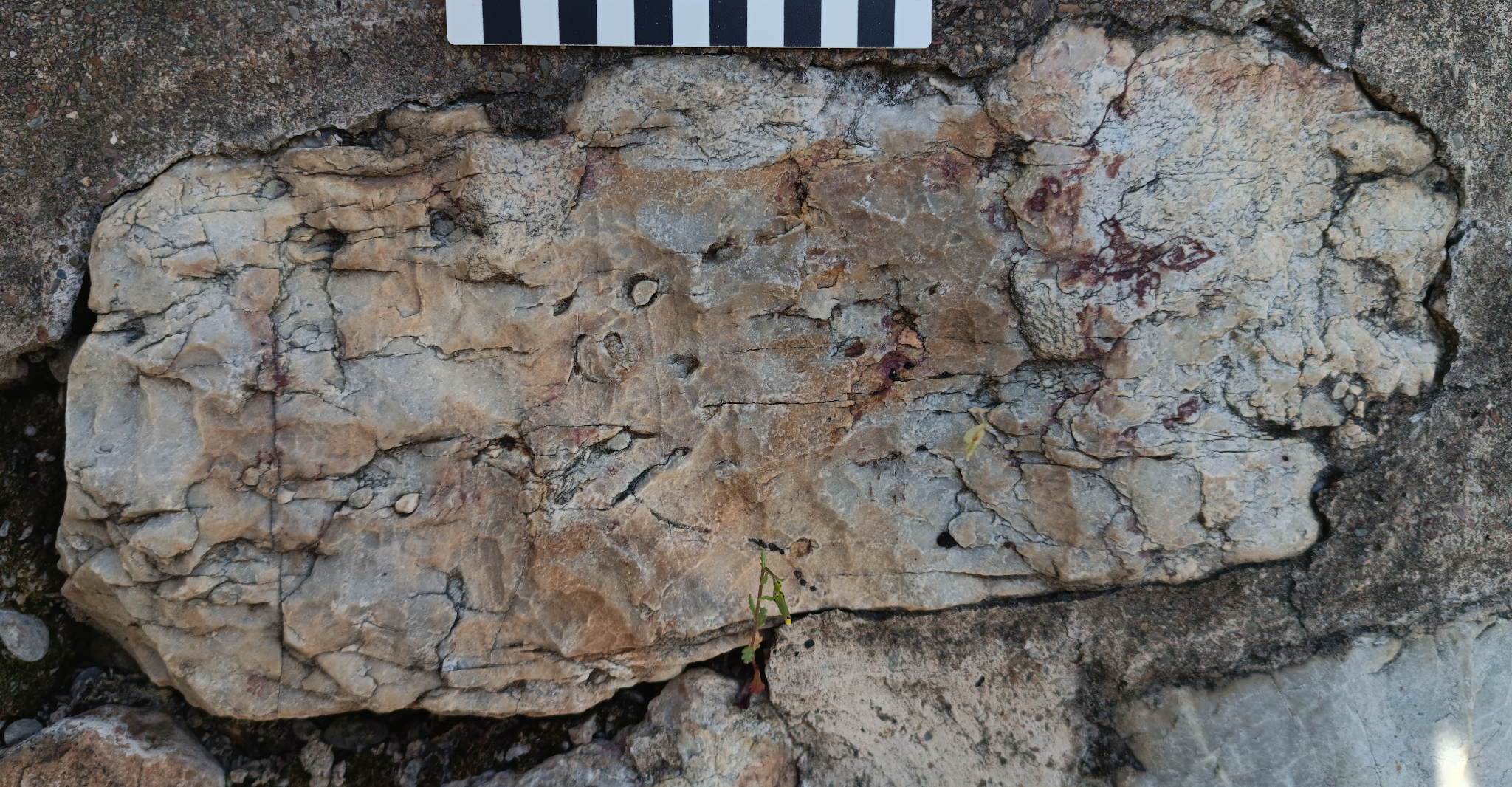
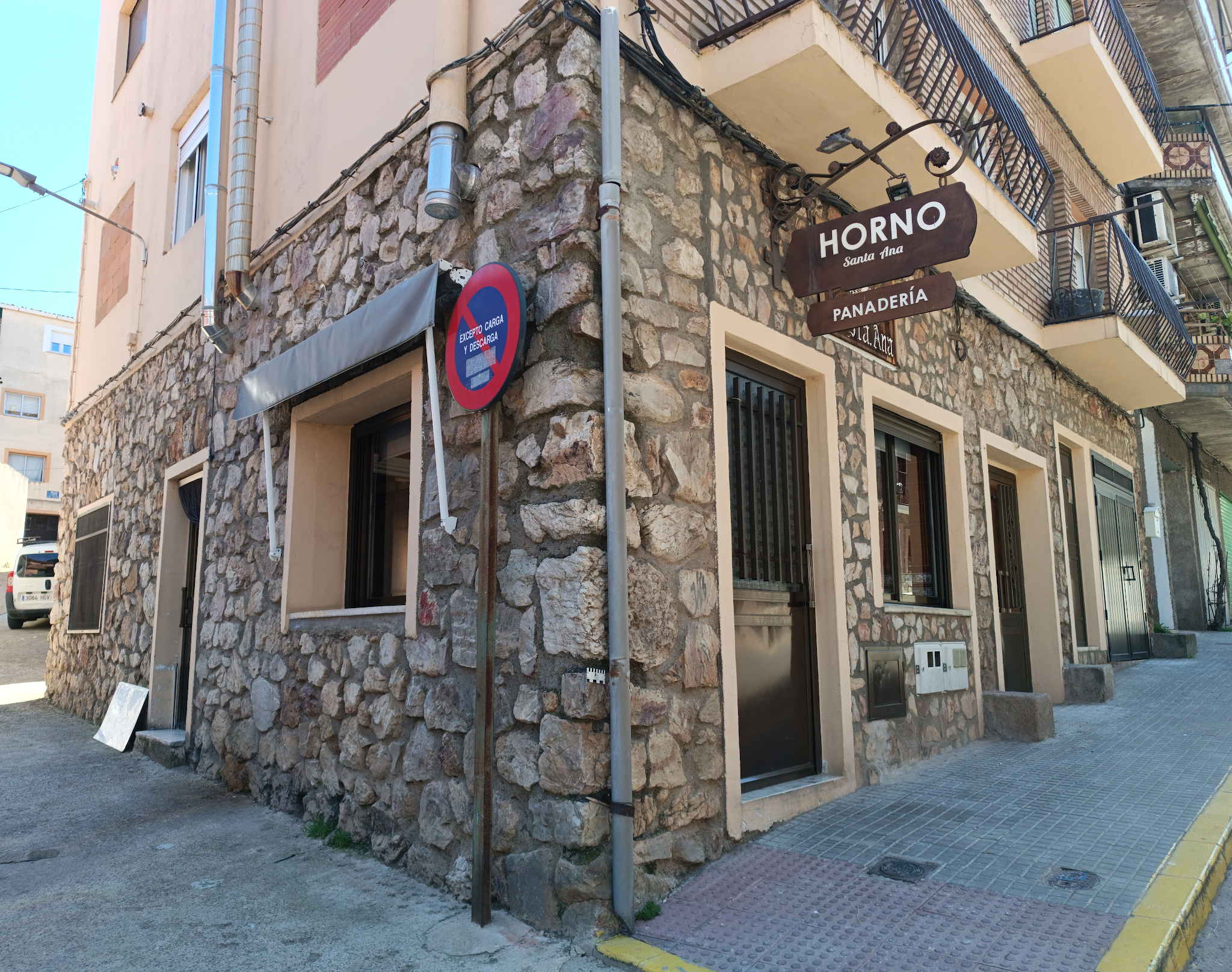
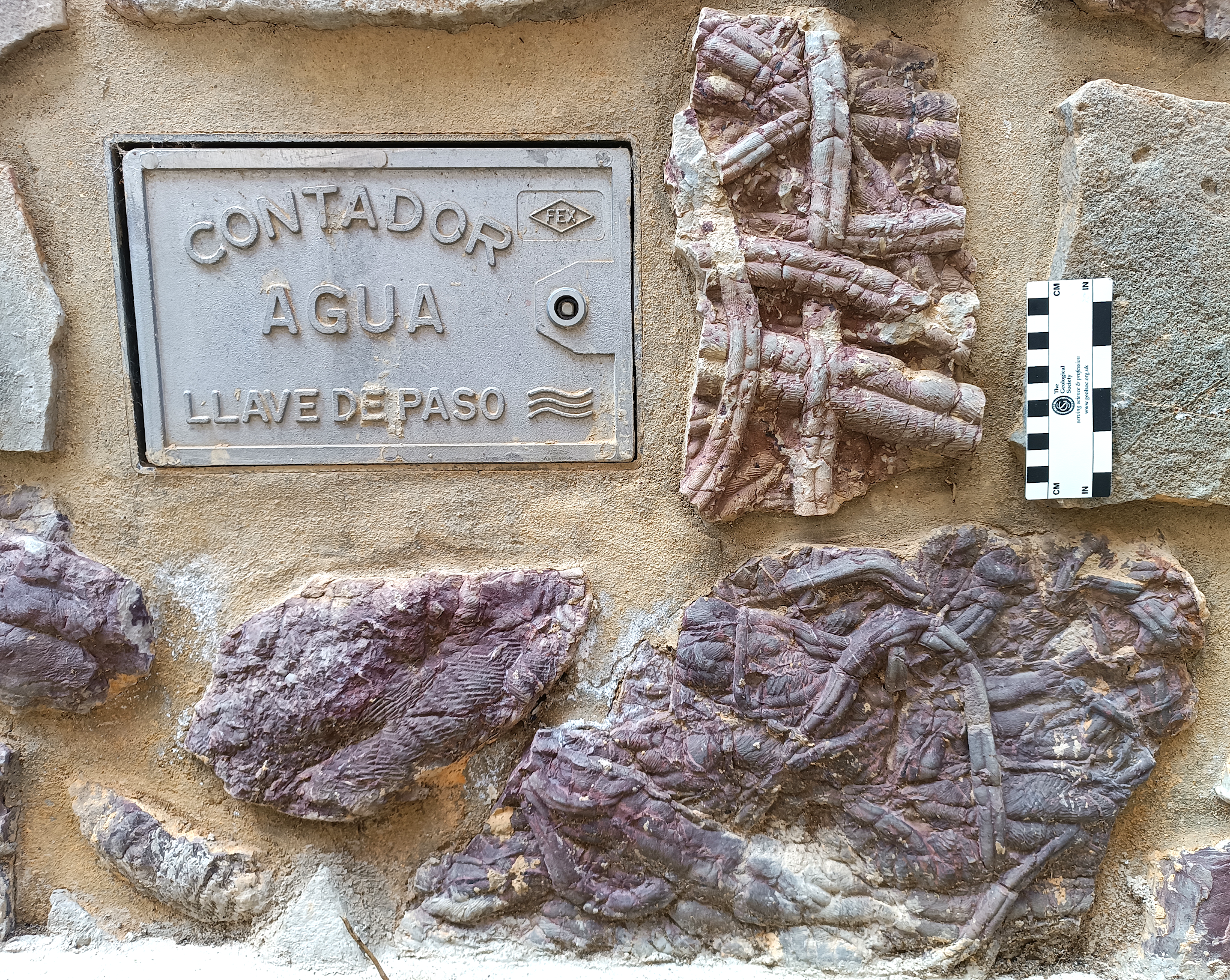
Urban fossils are a highly valuable educational resource due to their accessibility and their ability to bring geology and paleontology closer to the public, while also bridging the gap between geological and cultural heritage.
In collaboration with the Pangea Master’s program—which specializes in applied paleontology, paleobiology, and geoheritage—the Villuercas-Ibores-Jara UNESCO Global Geopark has developed three “urban fossil” trails in the towns of Berzocana, Cañamero, and Navezuelas. This initiative originated from a Master’s thesis by A. Nicolás Campos.
These municipalities lie beneath the peaks of the “Armorican Formation,” composed of rocks from the Early to Middle Ordovician period—dating back approximately 470 million years. Formed in an ancient coastal marine environment, these rocks contain trace fossils (ichnofossils) such as *Cruziana*, *Skolithos*, and *Daedalus*—burrows and trails left by marine organisms like trilobites, annelids, bivalves, and others. Because these rocks have traditionally been reused in the construction of homes, walls, animal enclosures, and fences, these villages have effectively become open-air museums.
The three trails, each featuring between 10 and 24 points of interest, allow visitors to discover these fossils alongside traditional architecture, monuments, interpretation centers, and local businesses. Integrated into Google Maps, the trails provide information at each stop without the need to install any additional applications.
Discover the history of the Earth as you explore our villages!