FAUNA
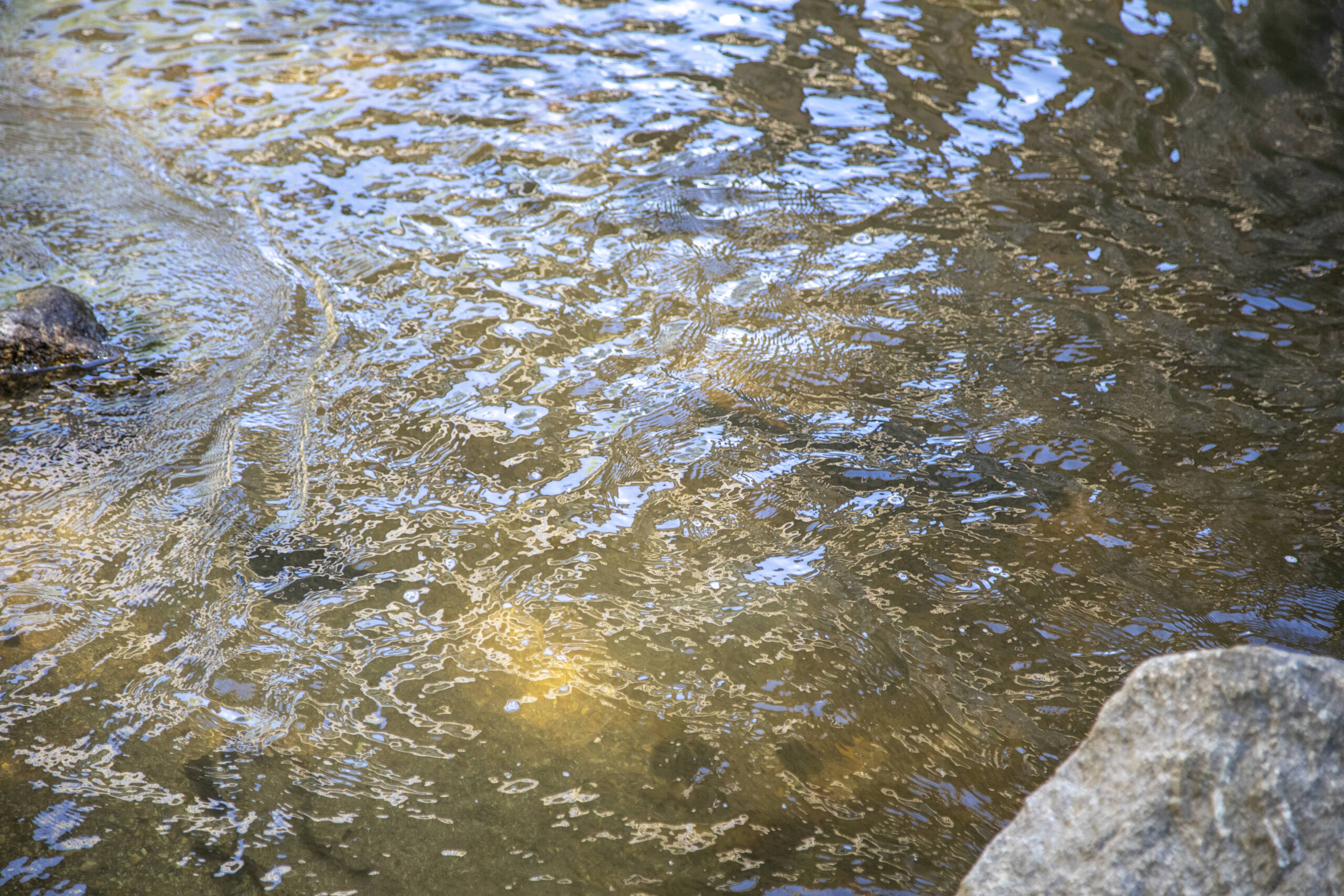
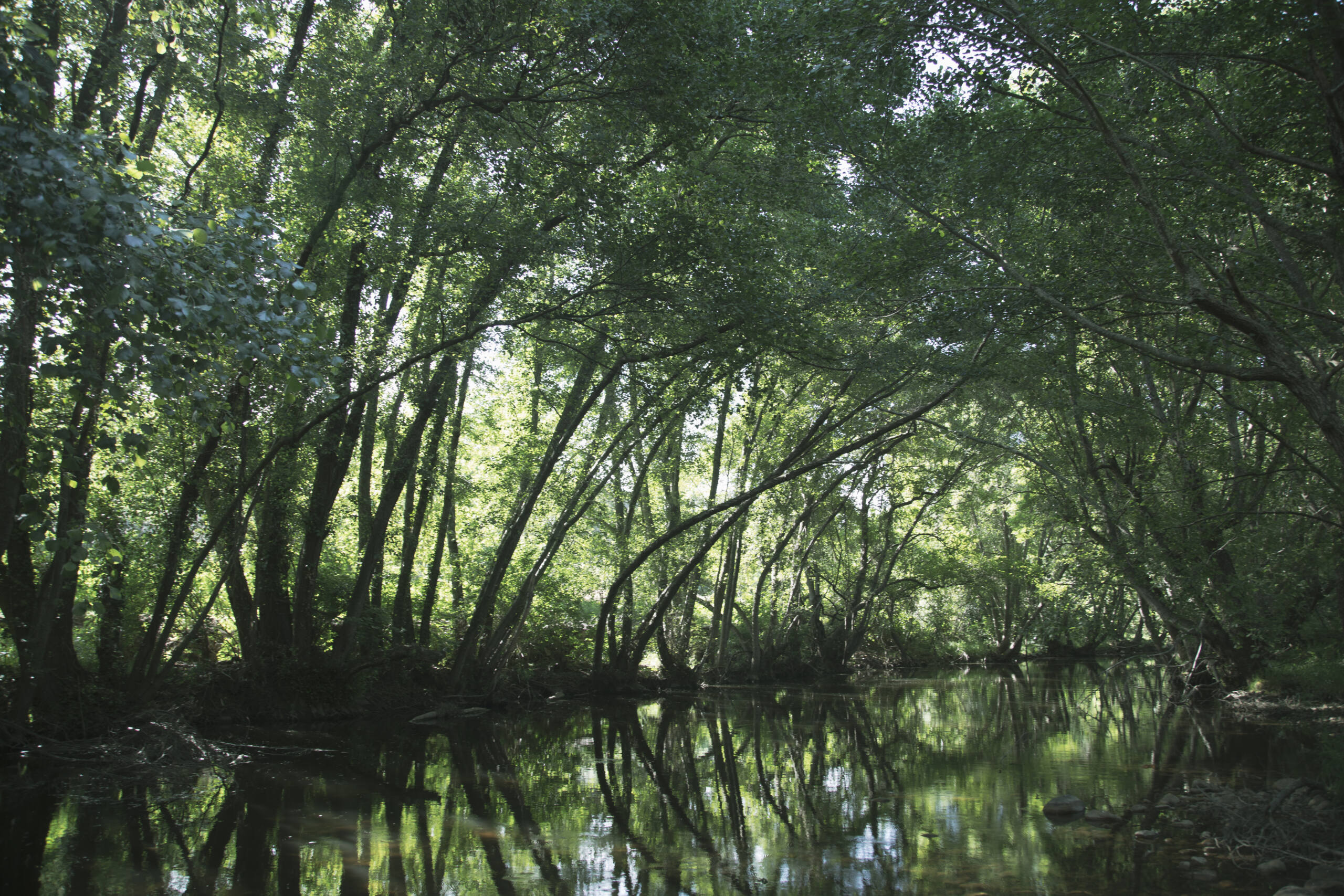
Every spring—typically in April, when the Ibor River has a good flow but is not in flood—barbel migrate upstream from the Valdecañas reservoir (on the Tagus River) in search of optimal spawning grounds to reproduce and ensure the survival of their offspring. This vital journey is reminiscent of the migrations seen in salmon rivers elsewhere on the Iberian Peninsula.
During this trek, the barbel battle against the current in an exhausting endeavor that takes them many kilometers upstream toward the headwaters, where the water is cleaner and richer in oxygen. Along the way, adult males can be easily identified by the white, bump-like growths that develop on their snouts. Upon reaching the spawning grounds, the females use their caudal (tail) fins to excavate small nests among the stones, where they deposit their eggs. The males compete to fertilize as many eggs as possible, posturing toward one another with sudden, yet harmless, movements. By the end of June, as water levels drop and temperatures rise, the spawning season concludes, and the barbel return to the Valdecañas reservoir, where they typically reside and feed.