FLORA
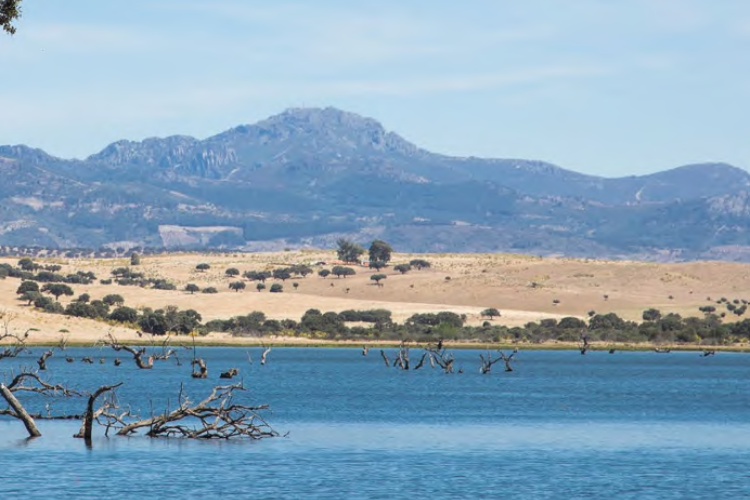
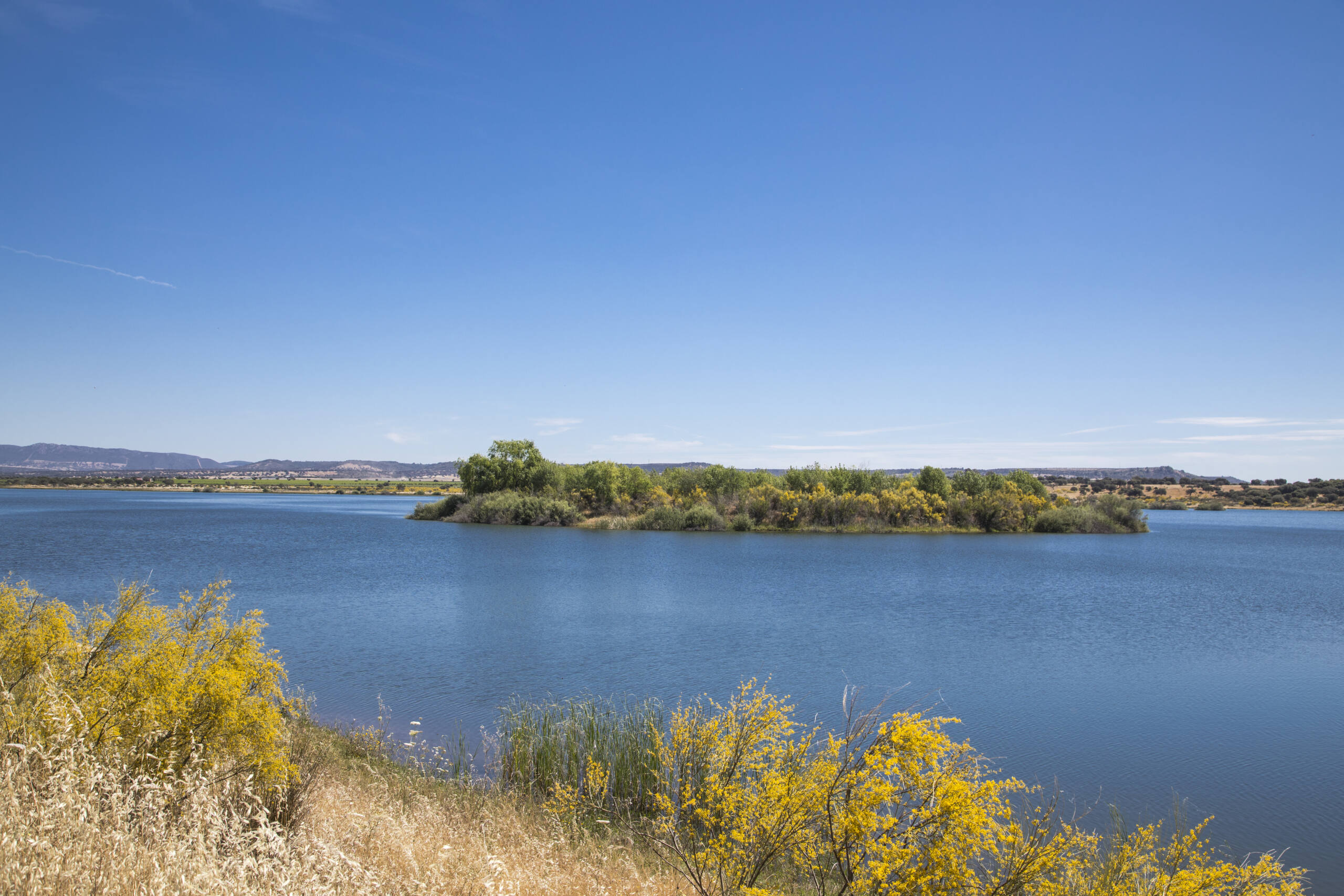
A wide variety of habitats converge here, most notably *dehesas* (wooded pastures), irrigated lands, riparian zones, and wetlands (the El Cubilar reservoir). The Special Protection Area (SPA) encompasses the entire *Dehesas del Ruecas y Cubilar* Site of Community Importance (SCI), as well as a portion of the Moheda Alta Peri-urban Conservation and Leisure Park (in Navalvillar de Pela).
The evergreen *dehesas*—dominated by *Quercus* species (holm oaks and cork oaks)—are a quintessential Mediterranean habitat; they are well-preserved here and occupy the largest area within the SPA.
Interspersed among the trees of the *dehesa* are Mediterranean wet meadows characterized by tall grasses, with an abundance of plants from the Cyperaceae (sedges) and Juncaceae (rushes) families, as well as numerous Poaceae (grasses). These grasslands are home to the orchid *Serapias perez-chiscanoi*—a species discovered in Extremadura that is officially classified as “Endangered” within the region.
Another habitat well-represented in this area consists of thermo-Mediterranean riparian scrub, particularly in the form of *tamujares* (thickets of *Flueggea tinctoria*). *Tamuja* (*Flueggea tinctoria*) is a thorny shrub that grows along the banks of rivers subject to severe seasonal low-flow periods—rivers that may even dry up completely during the summer.