FLORA
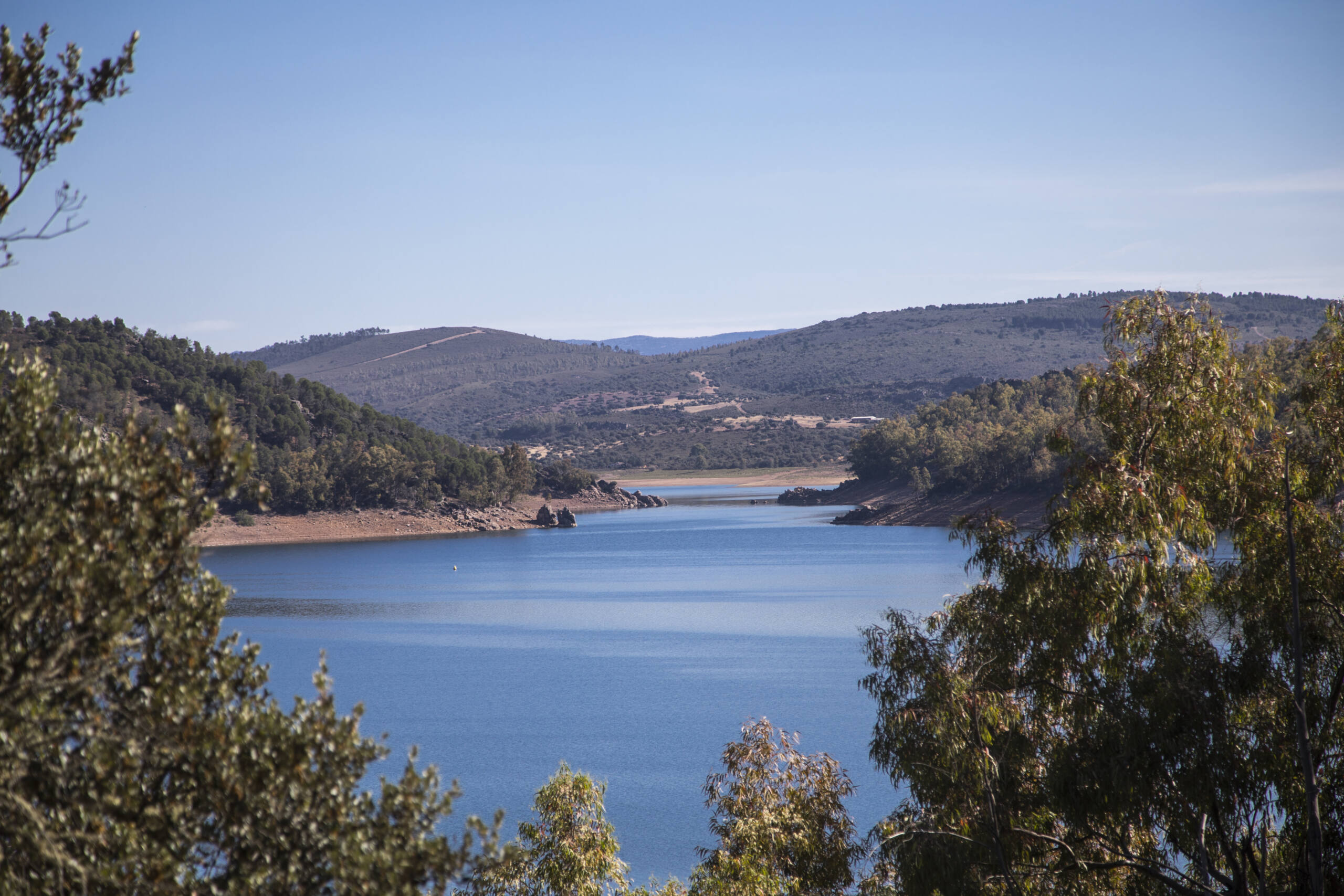
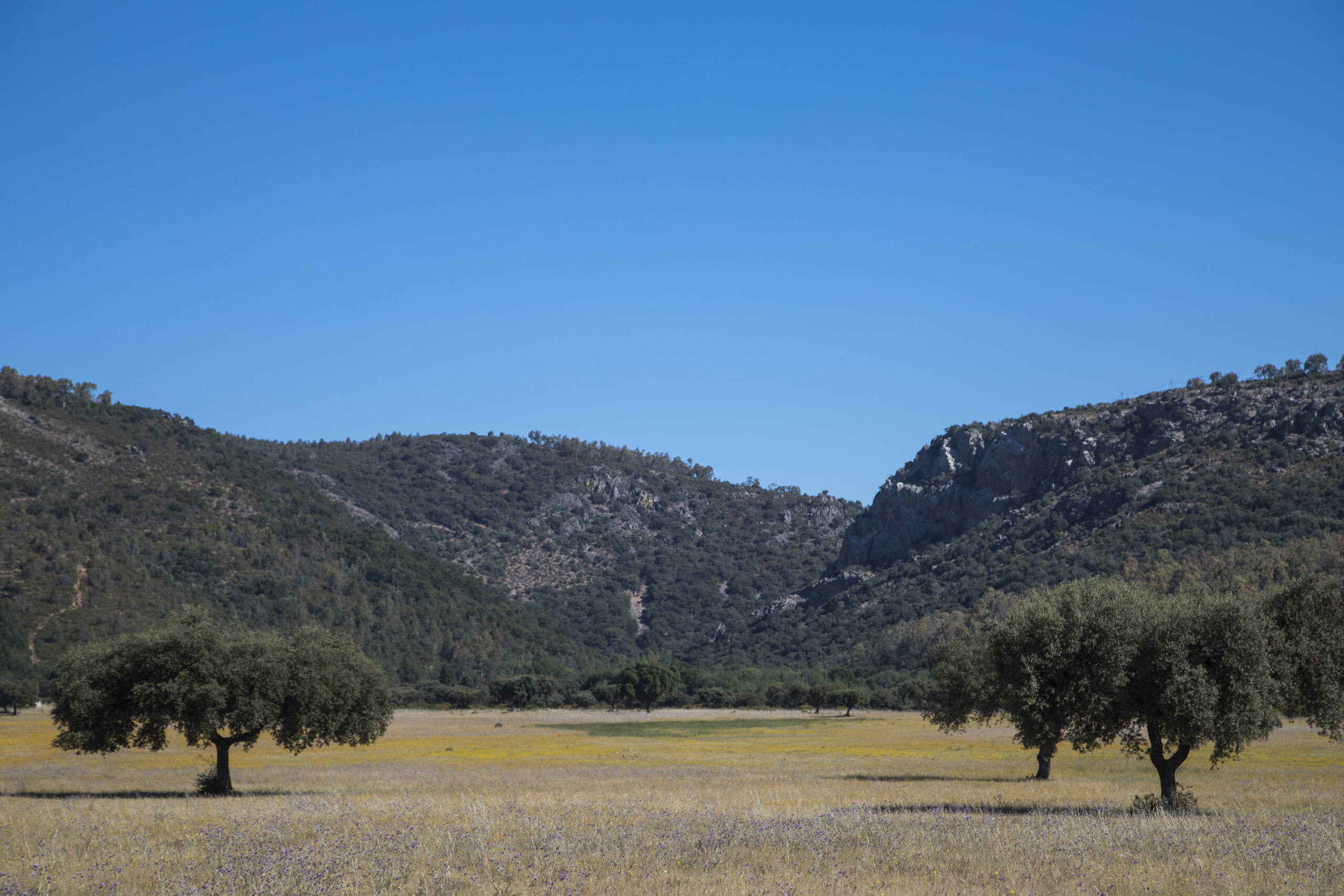
The Mediterranean vegetation on the mountain slopes is dominated by the cork oak (*Quercus suber*), accompanied by scrubland featuring strawberry trees, rockroses, and heathers, as well as prickly junipers (*Juniperus oxycedrus*)—a species that grows in rocky, craggy terrain (specifically among quartzite formations). In terms of habitats, notable examples include *Retama sphaerocarpa* shrublands and other Mediterranean scrub communities, as well as thermo-Mediterranean gallery forests.
FAUNA
A good starting point for learning about the local wildlife is the Interpretation Centre for Cliff-Dwelling Fauna, located next to the campsite at the Puerto Peña reservoir. The information panels at this centre feature many of the winged creatures that inhabit the quartzite cliffs.
Griffon vultures are abundant; they seem to enjoy circling in thermal currents, which allow them to gain altitude with almost no need for flapping. Other birds of prey that can be spotted include the golden eagle, Bonelli’s eagle, Egyptian vulture, Eurasian eagle-owl, peregrine falcon, and common kestrel. Other cliff-dwelling species include the alpine swift, red-rumped swallow, Eurasian crag martin, red-billed chough, and blue rock thrush.
As for the wildlife associated with the reservoir waters, notable species include the otter, grey heron, great cormorant, northern shoveler, mallard, common coot, and little egret. Black storks also frequent the banks to fish, and in the *dehesas* (wooded pastures) near the reservoirs, one can hear the trumpeting calls of hundreds of cranes that spend the winter here. Among the fish, the *calandino* (*Squalius alburnoides*) and various species of *boga* (*Pseudochondrostoma polylepis*) are particularly noteworthy. The area is also rich in bat species belonging to the genera *Rhinolophus*, *Myotis*, and *Miniopterus*.
GEOLOGY
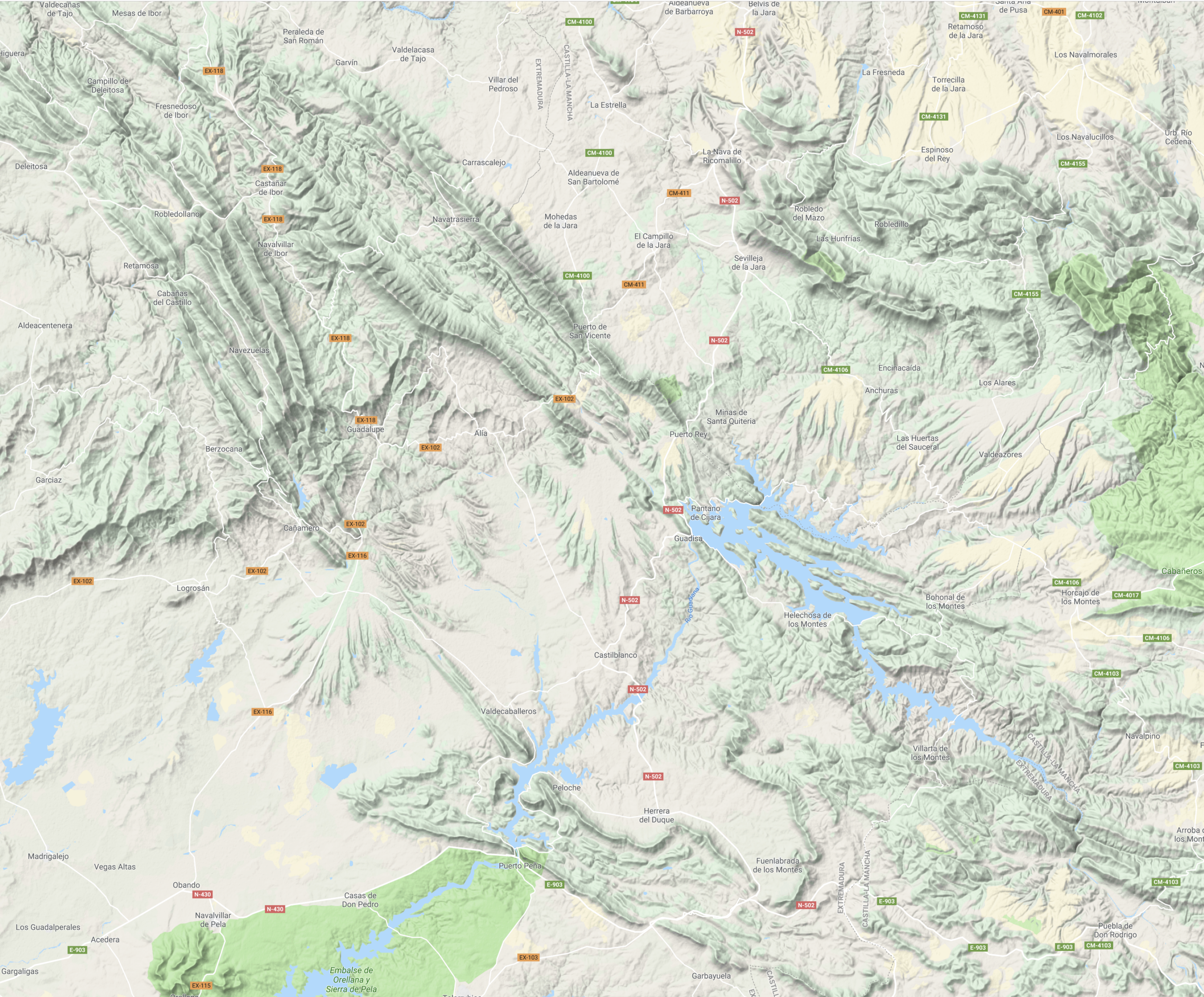
South of Las Villuercas, the mountain quartzites continue to form striking, elevated landscapes—landscapes that, in this area, have been partially submerged by the waters of the Guadiana River, now held in the García Sola (Puerto Peña) and Cíjara reservoirs. Much of this territory lies within the northeastern part of the province of Badajoz, while a smaller portion, located in the southeastern part of the province of Cáceres, also falls within the Geopark’s boundaries.
The area features numerous examples of rock strata folded by plate movements that occurred 300 million years ago, during the Hercynian orogeny. These layers, warped by tectonic pressure, resemble miniature anticlines and synclines.